Gormish Chiropractic & Rehabilitation on Charley Horses: Why They Happen and How to Find Relief
November 05, 2026
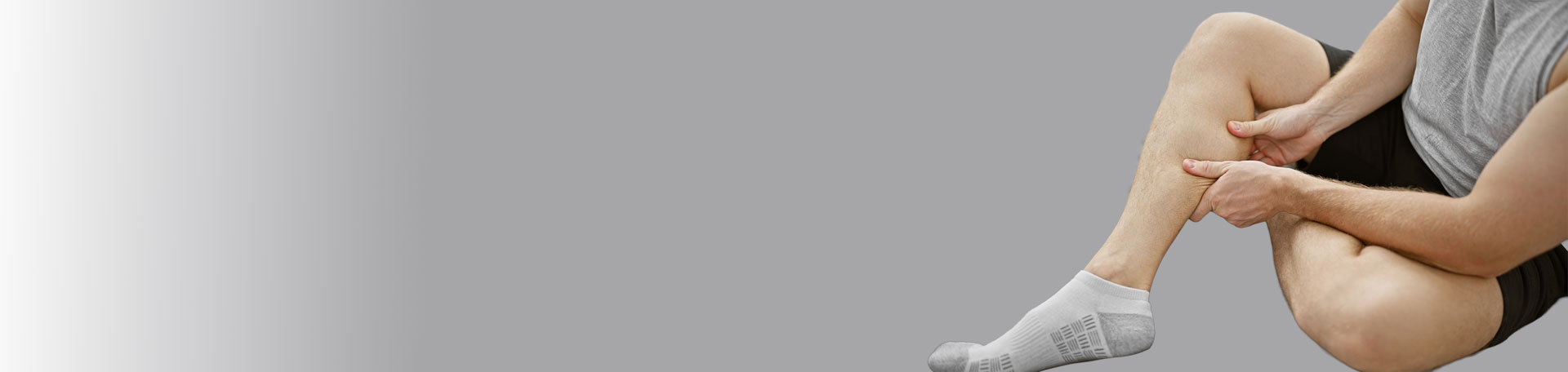
Just what is a Charley Horse? Has a calf muscle ever jolted you awake by suddenly locking into a hard, painful knot? Then you’ve been introduced to the charley horse. The name is believed to come from an old horse named Charley who pulled a roller across the Chicago White Sox ballpark in the 1890s and walked with stiff, sore muscles. (1) What a story! These unexpected, involuntary muscle contractions typically affect the calf or foot, often at night, and can persist anywhere from a few seconds to several minutes, with soreness that may hang on for hours or even days. About one-third of adults over 50 have them. Most charley horses have no single identifiable cause, although dehydration, diuretics and certain other medications, pregnancy, strenuous exercise, and long hours standing on hard floors can make them more likely. (1) Read on as we at Gormish Chiropractic & Rehabilitation share some more thoughts on these.
HOW TO GET THROUGH A CHARLEY HORSE
When a cramp strikes, a gentle stretch is your best ally. For a calf cramp, straighten your knee and point your foot up toward your knee, and if your toes curl, ease them back in the opposite direction. Getting out of bed and taking a short walk can help the muscle let go, and lots of folks get relief with massage or warmth from a warm shower or compress. (1)
HOW TO PREVENT ANOTHER CHARLEY HORSE
Some easy daily habits can help keep charley horses from coming back. Stretch your calves and hamstrings before bed, drink plenty of fluids, aim for at least 30 minutes of moderate exercise daily, keep your bed sheets loose at the foot of the bed, and go easy on alcohol, caffeine, nicotine, and decongestants. (1) What you eat can make a difference, too. Magnesium helps muscles relax after they contract, and when levels dip, muscles can tighten too readily, setting the stage for cramps and spasms. (2) Our magnesium levels tend to decline as we age, and nearly two-thirds of Americans fall short of the recommended intake, so foods high in magnesium and potassium, like leafy greens, beans, nuts, seeds, whole grains, avocado, and bananas, are wise additions to your diet. (1,2) Studies of magnesium supplements for night cramps have shown mixed results, so ask your provider before beginning one. (2) If you have heart failure, liver disease, or kidney disease, consult your doctor before changing your diet or fluid intake. Seek prompt care if a cramp is severe, won’t go away, or comes with sudden numbness, weakness, skin color changes, or a limb that feels cold. (1) We can talk more at your next visit.
READY TO GET BACK TO RESTFUL NIGHTS? CONTACT Gormish Chiropractic & Rehabilitation
If charley horses keep disrupting your sleep or holding you back, you don’t have to grin and bear it. Spine problems that compress the nerves running to the legs are among the conditions linked to leg cramps (1), and a careful exam can help pinpoint what’s going on. Our staff will take the time to listen, look at how your spine, muscles, and daily habits work together, and create a plan that helps you move and rest more comfortably.
Check out this PODCAST with Dr. Kurt Olding on The Back Doctors Podcast with Dr. Michael Johnson as he describes the relief that’s possible for a patient with spinal stenosis with The Cox® Technic System of Spinal Pain Management, the safe, gentle treatment we offer. After that, reach out to Gormish Chiropractic & Rehabilitation in Carrolltown today to make an appointment, and let’s team up to keep those charley horses at bay.